
Young people striving for social justice
Bethany Hoang wrote a good article in Christianity Today on how young people's concern for social justice can be leveraged to further their spiritual ...
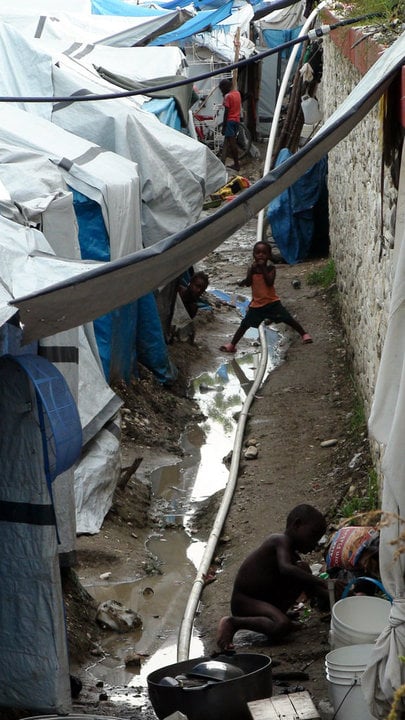
Bethany Hoang wrote a good article in Christianity Today on how young people's concern for social justice can be leveraged to further their spiritual growth. I've abstracted part of it below:
Sabari, his pregnant wife Ammani, and their two-year-old daughter Chissa are the property of another person. They live and work in a rice mill in South Asia, facing brutal beatings, starvation, and grueling labor every day.
There are missionaries and thriving churches in their region. There are also ministries that provide food, shelter, and medical care nearby. There are Christian schools where children can receive education and have an opportunity to hear the gospel. But slaves like Sabari and Ammani do not have access to these opportunities and never will under their slave masters' violent captivity.
The last 60 years of evangelical mission has focused primarily on spiritual salvation with a growing emphasis on mercy ministries-efforts to provide basic needs like food, clean water, shelter, and medicine. But the past 10 years has also seen a surge of involvement in ministries that seek to bring justice to those suffering oppression-people like Sabari and Ammani, who cannot benefit either spiritually or physically from the church's mission until they are free.
The rising concern for justice is seen most dramatically among the younger generation in the church. Christians in college, high school, even middle and elementary school are putting extraordinary emphasis on justice as part of their Christian witness, and established churches and ministries are taking notice.
Will this passion for justice continue, or will it fade like so many other trends? And will this generation be discipled so that their zeal for justice isn't a fad, but flows above all from their zeal for God himself?
Communications technology, travel opportunities, and the forces of globalization have meant that young people in the church today have had more exposure to the reality of suffering and injustice in our world than any previous generation. But as my colleague Wayne Barnard, International Justice Mission's director of student ministries, has said, "The needed solutions to address [students'] passion for justice require a long-term commitment, which is challenging for a generation who cut their teeth on convenience."
Slaves like Ammani and Sabari need justice in the form of freedom before they can access the remarkable resources that exist
all around them-resources that include the gospel ministry of the church in their region. Ammani and Sabari, and the 27 million other slaves in the world today, are why we must be intentional about making justice a part of discipleship training for this generation.
Related Blogs
Activate Your Faith Tomorrow (Aug. 8)
What a hard season of sickness and division we are going through! T...

What the Bible Says About Systemic Racial Reconciliation
In today's post, LaShondra Riddle concludes her series this week on racial rec...

Social justice is not enough
The world is a mess and God wants us to do something about it: The sex trad...
Related Races (3)

Latin America | Semesters | January 2027

Japan & South Korea | Semesters | June 2027